




Nanjing Elephant-Med instrument Co. , Ltd.
MOBILE:
ADDR:86 Shuanggao Road, Economic Development Zone, Gaochun District, Nanjing City
WEBSITE:http://www.elephant-med.com/
ABOUTUS
PRODUCTS
roduct categoryCONTACT
ontact us一、The use of high-frequency electric knife process
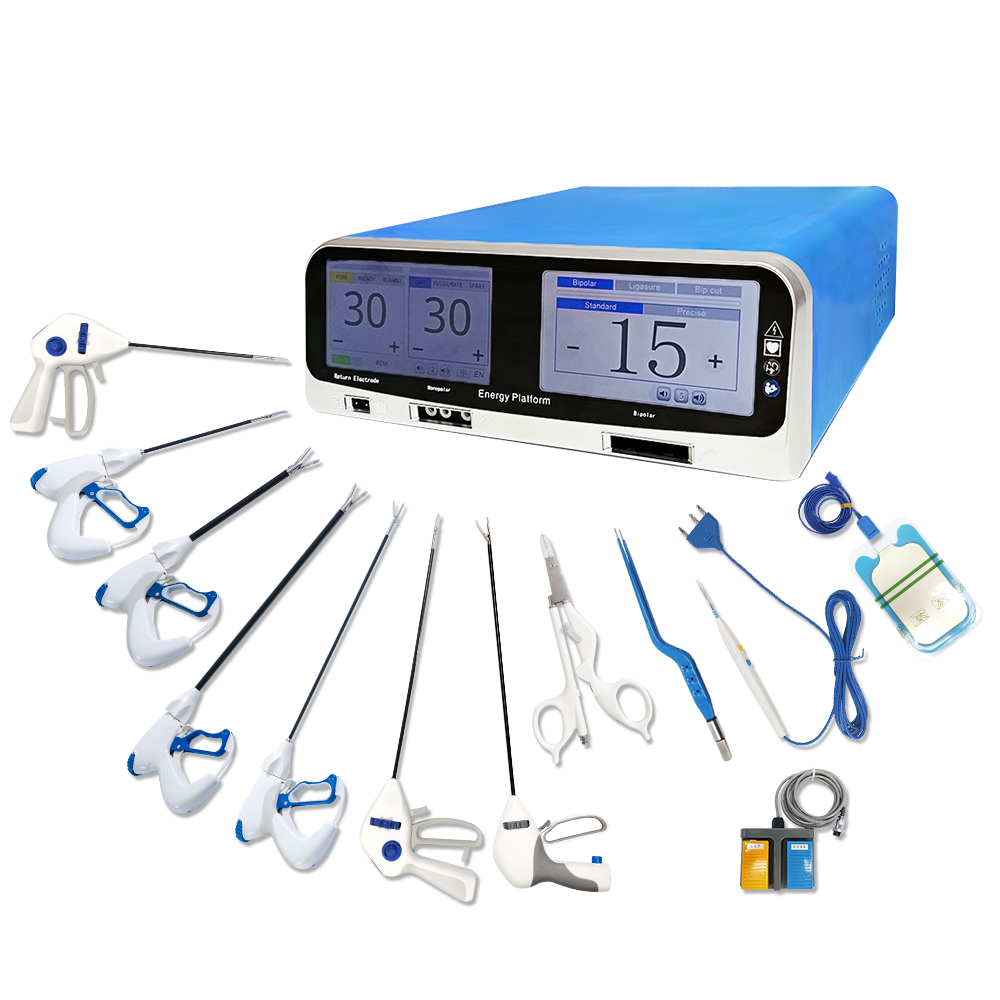
High-frequency scalpel is a kind of electrosurgical instruments, compared with the traditional mechanical scalpel, high-frequency scalpel can greatly shorten the operation time, but also can reduce the patient's blood loss and blood transfusion, thus greatly reducing the post-operative complications, in modern surgery in a wide range of applications, and it is used in the following way process.
1, the patient on the assessment, ask the patient whether to wear metal, or the body has no metal implants, whether the installation of a permanent pacemaker, as well as checking whether the patient's body is in contact with the surgical bed, as well as whether to touch the metal parts of other devices.
2、Prepare the high-frequency electrocautery equipment and the sterile monopolar and bipolar electrocoagulation wires.
3. Plug the power supply of the HF scalpel into a three-phase electrical outlet.
4. Insert the foot switch port into the corresponding socket of the HF scalpel.
5. Turn on the power switch of the HF scalpel, let the machine perform self-test, the circuit board will alarm and the REM red light will flash.
6、Connect the circuit electrodes and stick the circuit electrode board on the appropriate position of the patient's body, the green light of REM will flash and the alarm will be lifted.
7、Fix the electrode electrodes and bipolar electrocoagulation wires separately on the operating table, don't wrap them around the metal instruments, and plug the interface end of the mainframe into the corresponding socket of the high-frequency electrodes.
8、Choose the appropriate output power and output mode, generally the output power of the surgery is 30-70w.
9、Surgeons use hand-controlled or foot-controlled way to test the electrosurgical knife output standby.
10, the use of the process of the nurse should be timely with the scalpel cleaning sheet to remove the scalpel head organic matter crust, temporarily not in use when the scalpel should be placed in an insulated protective sleeve, once found that the scalpel head malfunction should be replaced in a timely manner.
11, at the end of the operation, turn off the power switch, pull out the single bipolar power cord, remove the electrode plate, pull out the power cord, clean and organize the equipment.
二、The operating points of high-frequency electric knife
The main points of the operation of high-frequency electrosurgical knife are the following four points.
1, the high-frequency electric knife pen connected to the host, electric knife fixed connecting line can not be coiled with other wires to prevent coupling effect.
2, the pen will be placed in an insulated protective sleeve when not in use.
3, in order to avoid equipment leakage or short-circuit, do not wrap the wire in metal objects.
4, there are ground devices should be properly connected.
三、 what are the precautions for the use of high-frequency scalpel
The use of high-frequency scalpel in surgery, need to pay attention to a lot of things, specifically including.
1, pay attention to the single start time
Uninterrupted excitation of high-frequency current will make either negative plate becomes hot (hot) Ideal situation is 1:3 working condition, that is, work for 1 second, stop for 3 seconds. Even if it is not achieved, the device should be turned off during the successive operations to let it rest and dissipate heat.
2、Pay attention to standardized use
The tip of the knife should be closely connected with the handle, choose the appropriate protective cover for the tip of the penknife, remove the crust formed on the tip of the knife in a timely manner, ordinary surgical gloves can not provide adequate insulation, and should use tweezers with insulation protection.
3、Pay attention to the placement of instruments
Do not place the electrode handle in direct contact with the patient's body or on a sterilized towel on the patient's body. They should always be placed in the instrument tray or special electrode sets.
4、Attention to clear the smoke
Surgical smoke is a gaseous substance produced during surgery, also known as aerosol, burnt smoke, heat-transmissive plume, etc. It is formed by high-frequency electrocautery knife, laser knife, ultrasonic scalpel, high-speed drills, saw blades, and burrs of instruments to destroy and vaporize tissue proteins and fats in the course of surgical procedures. Surgical smoke not only obstructs the vision of the surgical staff, but also releases toxic and harmful substances into the air. It can lead to headaches, inflammation of the eyes and mucous membranes and other symptoms in the operating room, as well as potentially harmful to human health in the long term. Therefore, care should be taken to remove surgical smoke. When generating surgical smoke, without interfering with surgical activities, as far as possible in the vicinity of the surgical area (within 5 cm) equipped with smoke traps, while ensuring that the operating room smoke extraction system in the surgical process are working properly.
5、Attention to oxygen aggregation
Avoid combustion in an oxygen-rich environment, maintain oxygen concentration at a safe level, conscious patients with nasal cannula oxygen flow at 3 LM or lower oxygen masks have a higher risk. Oxygen concentration should be reduced to 40% or less in patients with tracheal intubation, oxygen concentrations greater than 40% have a risk of combustion, and there may be oxygen pooling in the head and neck, oral cavity, thoracic cavity, and abdominal cavity. Therefore airway burns should be prevented when using an electrosurgical knife or electrocoagulation electrocoagulation for intra-airway surgery. Intestinal surgery is contraindicated the use of mannitol enema, intestinal obstruction of patients with caution with the electric knife.
6、Attention to the alarm sound
If there is an alarm during the use, stop the use in time, check whether the circuit negative plate is shifted, peeled off, and whether the paste is even and firm, and if necessary, turn off the machine and replace or re-paste it.
7、Attention to ECG monitoring
Electrocardiogram electrodes should be far away from the surgical area, at least 15 centimeters from the application of electrodes, to avoid the current loop in the proximity of the electrocardiogram electrodes and the heart.
 苏公网安备32011802010375号