




Nanjing Elephant-Med instrument Co. , Ltd.
MOBILE:
ADDR:86 Shuanggao Road, Economic Development Zone, Gaochun District, Nanjing City
WEBSITE:http://www.elephant-med.com/
ABOUTUS
PRODUCTS
roduct categoryCONTACT
ontact usUse and Precautions for High-Frequency Electrosurgical Units
The high-frequency electrosurgical knife is the most commonly used surgical instrument in operations, offering functions such as electrocautery, cutting, electrocoagulation, and hemostasis. It also shortens surgical duration and reduces intraoperative bleeding, demonstrating particularly notable advantages in burn surgery. However, improper operation can easily cause burns, not only inflicting unnecessary suffering on patients but also triggering medical disputes and resulting in financial losses for hospitals. Below are precautions to avoid such unnecessary losses.
The high-frequency electrosurgical knife is an electrosurgical instrument that replaces mechanical scalpels for tissue dissection. It generates high-frequency, high-voltage current through its active electrode tip. Upon contact with the body, this current heats the tissue, achieving separation and coagulation of bodily tissues to accomplish cutting and hemostasis.
一. Working Principle of High-Frequency Electrosurgical Units
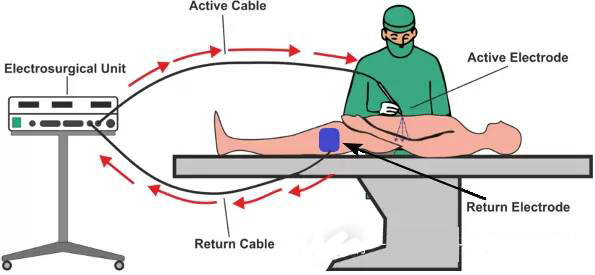
During high-frequency electrosurgical procedures, electrical current flows into the human body through the handpiece and exits via the grounding electrode. As shown in the figure below:
The standard frequency of our common household electricity is 50Hz. Electrosurgical procedures can also be performed within this frequency range, but at this frequency, the electrical current may cause excessive stimulation to the human body, potentially leading to death. This is the principle behind electric execution methods used in some countries.
When the current frequency exceeds 100 kHz, nerves and muscles cease to react to the current. Therefore, high-frequency electrosurgical units convert the 50 Hz mains current into high-frequency current exceeding 200 kHz. This allows the high-frequency energy to pass through the body with minimal patient stimulation and no risk of electric shock.
Function of the negative electrode plate: It forms the electrical circuit while simultaneously reducing current density at the electrode site. This prevents residual current from continuing to heat tissue and cause burns after leaving the patient and returning to the high-frequency electrosurgical unit.
二. Differences Between Electrocoagulation and Electrosurgery
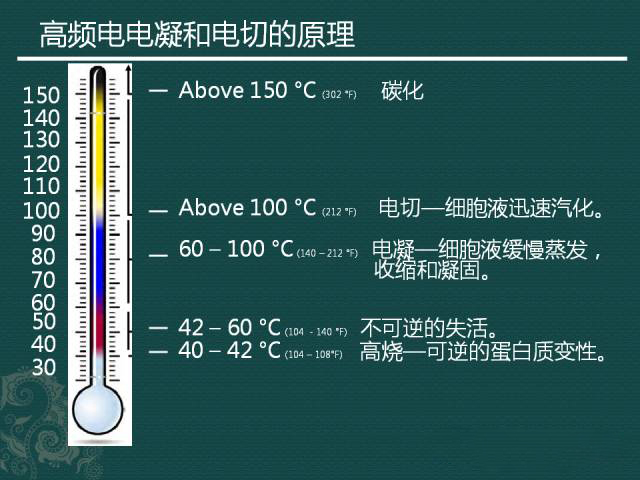
High-frequency electricity primarily generates corresponding voltage and current at the lesion site. The fundamental distinction lies in the differing temperatures of the thermal effects produced. Relatively high temperatures achieve cutting effects, while relatively lower temperatures (still relatively high) achieve electrocoagulation effects. Both fundamentally rely on the thermal effects generated by high-frequency electricity.
However, even though the thermal effects are generated by high-frequency electricity, different products (brands) yield varying results. Why is that? Subtle differences arise in the application of high-frequency thermal effects. These nuances make superior high-frequency devices “hard to put down,” while inferior ones (though still functionally adequate) become “unbearable” for operators. These subtle product variations influence the physician's treatment process to varying degrees. Therefore, the nuanced differences in high-frequency electrical devices require recognition by the operating physician.
Typically, electrocautery cutting operates at temperatures above 100°C, while electrocoagulation functions at approximately 60-100°C. These temperatures refer to the requirements for pure cutting or pure coagulation modes. In actual practice, pure cutting mode is rarely used; instead, a mixed coagulation-cutting mode is employed. For instance, electrocautery is now predominantly performed in a hybrid mode—a “cut-cauterize-cut-cauterize” sequence—which relatively satisfies cutting requirements while minimizing bleeding risks. Consequently, endoscopic procedures universally employ hybrid modes rather than pure cutting, as the latter can trigger bleeding and associated uncontrollable complications.
三. Safety Precautions for Using High-Frequency Electrosurgical Units
Given the operating principles of high-frequency electrosurgical units, the following safety considerations must be observed during use:
1. Safe Use of Negative Electrodes
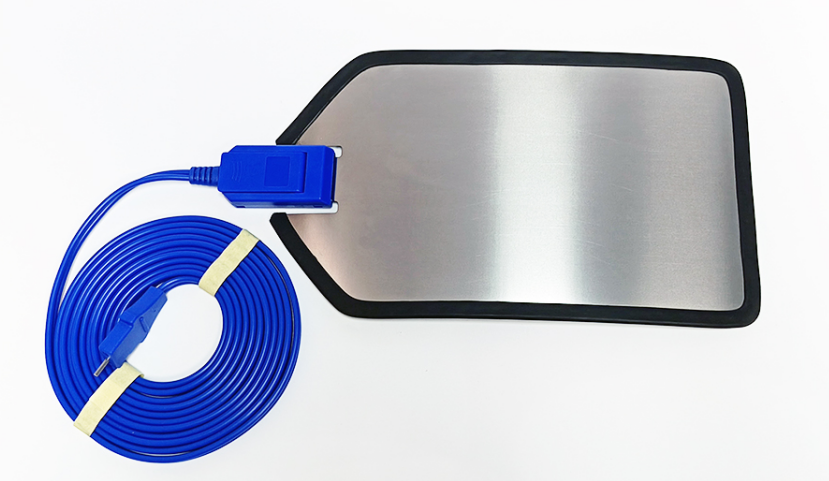
Modern high-frequency electrosurgical units are equipped with high-frequency isolation technology, where the isolated high-frequency current uses only the negative electrode plate as the sole return path for the electrosurgical circuit.
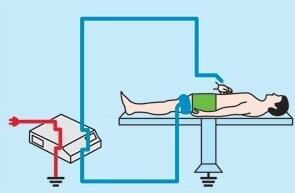
Although the isolation circuit system protects patients from burns caused by alternative circuits, it cannot prevent burns resulting from issues with the negative electrode plate connection.
(The image below, sourced from the internet, shows an example of a burn injury caused by an adhesive problem with the negative electrode plate at a hospital.)
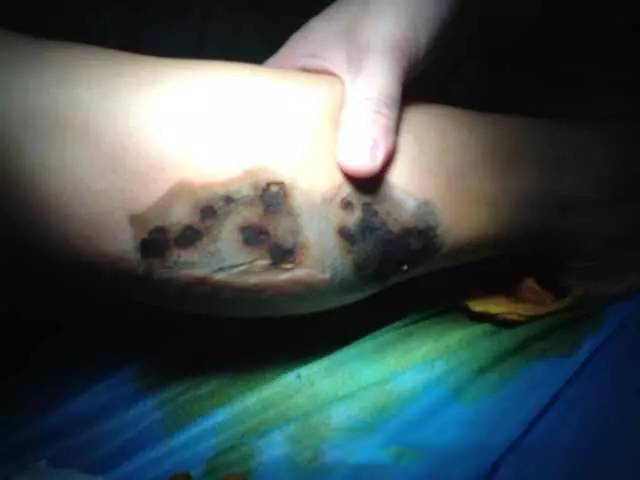
If the contact area between the negative electrode plate and the patient is insufficient, the current will concentrate in a smaller region, causing the temperature of the negative electrode plate to rise and potentially burn the patient.
Statistics indicate that 70% of reported high-frequency electrosurgical unit burn incidents stem from improperly connected or deteriorated negative electrodes.
To prevent patient burns from the negative electrode, we must ensure adequate contact area and conductivity. Crucially, avoid reusing disposable negative electrodes.
Suitable placement sites:
A flat, well-vascularized muscle area as close as possible to the surgical site (but no less than 15 cm away);
Local skin should be shaved and kept clean and dry;
The placement site must not cross over the surgical site laterally and should be at least 15 cm away from ECG electrodes;
No metallic implants, pacemakers, or ECG electrodes within the loop;
Position the long edge of the electrode plate parallel to the direction of high-frequency current flow.
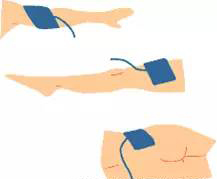
Unsuitable installation sites: skin folds and bony prominences, scars, areas with thick fat deposits, weight-bearing body parts, and sites with poor blood supply or irregularities such as fluid accumulation.
When installing the negative electrode pad, note the following:
Ensure the pad adheres tightly to the skin;
Keep the pad flat—do not cut or fold it;
Avoid wetting the pad during disinfection or rinsing;
Infants and children weighing under 15 kg should use infant/child electrode pads.
Additional Precautions
Inspect power supply and electrode cables for breaks or exposed metal wires;
Connect the electrosurgical pen to the machine, perform a power-on self-test, and adjust output power only after confirming the negative electrode plate is correctly installed with no alarm indicators;
Prevent Bypass Burns: Securely wrap and immobilize the patient's limbs with cloth to avoid skin-to-skin contact (e.g., between the arm and torso). Ensure no contact with grounded metal surfaces. Maintain at least 4 cm of dry insulation between the patient and metal bed surfaces.
Prevent Equipment Leakage or Short Circuits: Do not wrap cables around metal objects. Connect grounding wires where available.
After patient movement, recheck negative electrode contact area and ensure no displacement.
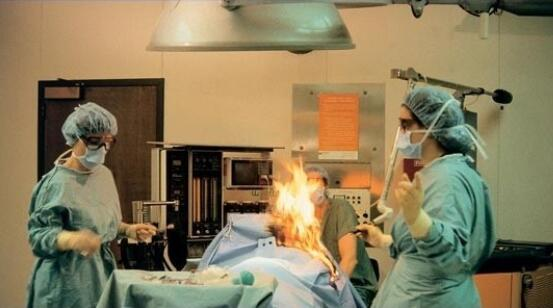
Prevent environmental fires: Avoid using electrosurgical units in environments with flammable, explosive, or volatile gases, or in hyperoxic settings (especially during thoracic or cranial surgery). Temporarily remove oxygen supply when operating near the airway. (Image below sourced from the internet)
2. Proper Management of Electrosurgical Handpieces and Patients
Precautions
Surgical personnel must wear rubber gloves with excellent insulation;
Activate before incision: When using the foot control switch, the surgeon must hold the electrosurgical pen and activate the foot switch simultaneously. One person must not operate while another controls the switch;
After making the skin incision with a standard scalpel, apply tension to both sides of the incision to prevent thermal damage to the skin margins, which could impair wound healing.
Management of Electrosurgical Pen
Before Use
Regularly inspect the electrosurgical cable plug, power plug, and electrode plate plug for rust. If rust is present, gently scrape it off with a blade.
Management of Electrosurgical Pen on the Operating Table
Secure the electrosurgical pen in a safe position. Do not allow the pen to become tangled.
During Use
Select the appropriate power setting for the high-frequency electrosurgical unit and strictly control the output power. Avoid indiscriminately increasing output power during use; prioritize achieving the desired surgical outcome. Any potential hazards associated with the unit increase proportionally with higher output power settings.
The low-frequency current delivered to the patient must comply with safety regulations. Thoroughly inspect the integrity of electrode plates, blade connectors, and connecting cables before use. Additionally, avoid frequent activation of the knife or directed sparking toward tissue, as such sparks also contain low-frequency components.
During surgery, prevent saline irrigation fluid from spilling outside the body to avoid high-frequency current grounding through it, which can generate heat and cause skin burns.
When in use, high-frequency current should only be applied after the active electrode makes full contact with the tissue being coagulated. Coagulation time must not be arbitrarily extended.
Special Caution: Prevent combustion triggered by electrical sparks.
When operating the electrosurgical pen in close proximity to a patient's face mask (e.g., during neck or lumbar surgery), prevent combustion caused by electrical sparks. After wiping the skin with ethanol, allow it to evaporate completely before covering with surgical drapes. This prevents flames from persisting under drapes and burning the skin during electrosurgical use. Special attention must be paid to ensuring no flammable or explosive gases are present in the operating room, as sparks from the high-frequency electrosurgical unit could ignite them.
After Use
The electrosurgical pen should be cleaned promptly after use. Wipe off stains with a damp cloth; do not rinse directly with water or immerse in liquid.
Patient Management
Avoid contact between other parts of the patient's body and metal components on the operating table.
During preoperative visits, inform patients not to wear any metal objects.
For patients with implanted metallic devices, circuit design should avoid contact with metallic implants. Patients with cardiac pacemakers require consultation with a cardiologist and must be used under close monitoring. When necessary, use only bipolar electrocoagulation for single-modality hemostasis.
 苏公网安备32011802010375号